
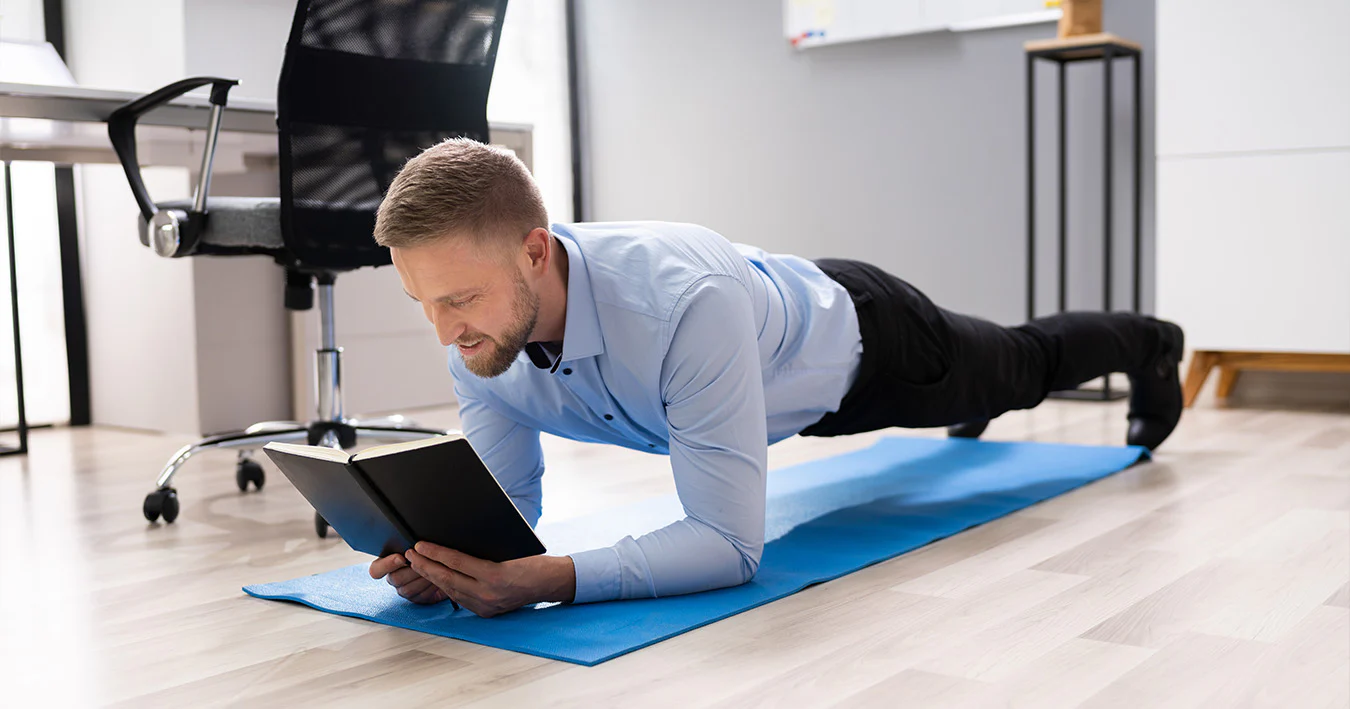
In today’s fast-paced world, finding time to exercise can feel like an impossible task. Between work deadlines, family responsibilities, and social commitments, fitness often takes the back seat. However, staying active doesn’t have to mean spending hours at the gym or buying expensive equipment. The truth is, easy home workouts can be highly effective and can fit perfectly into a busy schedule. With the right approach, you can build strength, improve flexibility, boost your energy, and maintain overall health without ever leaving your living room.
This article explores simple, research-backed home workouts designed for busy people. You’ll discover why short but consistent exercise matters, the best beginner-friendly routines, and practical ways to make workouts part of your daily life—even when time feels scarce.
Why Short Home Workouts Are So Effective
Many people assume that workouts need to last an hour or more to make an impact. But science tells us otherwise. Short, focused workouts can be just as effective, especially for people balancing busy schedules. High-intensity interval training (HIIT), bodyweight circuits, and mobility sessions can all provide benefits in just 10–20 minutes a day.
The key lies in consistency. Exercising regularly, even for shorter periods, helps improve cardiovascular health, maintain a healthy weight, and reduce stress. For people with hectic routines, these quick sessions prevent fatigue from building up and keep the body active throughout the week.
The Benefits of Exercising at Home
Working out at home comes with several unique advantages. First, it saves time. There’s no commute to the gym, no waiting for machines, and no need to schedule around fitness class times. Second, it’s cost-effective. Most effective home workouts require little or no equipment, making them budget-friendly.
Exercising at home also provides flexibility. You can do your workout in the morning before work, during a lunch break, or even in the evening after winding down. With such convenience, sticking to a fitness routine becomes much easier, especially for those juggling multiple responsibilities.
Quick Full-Body Home Workout Routine
One of the simplest ways to exercise at home is to focus on bodyweight movements that target multiple muscle groups. A quick full-body routine might look like this:
Warm-Up
Spend 2–3 minutes marching in place, doing arm circles, or gentle stretches to prepare your muscles.
Main Workout
Perform the following exercises for 30–45 seconds each, with a short rest in between:
- Squats for lower body strength
- Push-ups for chest, arms, and shoulders
- Plank for core stability
- Jumping jacks or high knees for cardio
- Glute bridges for hips and lower back
Repeat the circuit two to three times, depending on your available time.
Cool Down
End with light stretching to relax your muscles and improve flexibility.
This entire workout can take as little as 15 minutes and still provide excellent results when done consistently.
How to Stay Motivated With a Busy Schedule
One of the biggest challenges of exercising at home is staying motivated. Without the accountability of a gym membership or fitness class, it’s easy to skip workouts. However, with the right strategies, you can maintain consistency.
Set realistic goals. Instead of aiming for an hour every day, commit to 10–20 minutes. Small, achievable targets make it easier to stay on track. Another helpful strategy is scheduling your workout just like any other important meeting. Block out time on your calendar and treat it as non-negotiable.
Finally, make it enjoyable. Choose exercises you like and vary your routine to keep it fresh. Listening to your favorite playlist, following along with online workout videos, or exercising with a family member can also make the process more engaging.
Tailoring Workouts to Your Fitness Level
One of the best parts of home workouts is their flexibility. Whether you’re a beginner, intermediate, or advanced exerciser, you can adjust movements to fit your level.
For beginners, start with bodyweight exercises and focus on form. If push-ups feel too challenging, try wall push-ups or knee push-ups. As you gain strength, you can progress to standard push-ups. Similarly, beginners can start with partial squats and work up to full squats over time.
Intermediate and advanced individuals can add resistance bands, dumbbells, or household items like water bottles for an extra challenge. Increasing intensity with HIIT-style training or longer circuits also helps push fitness to the next level.
Balancing Exercise With Rest and Recovery
When life gets busy, it’s tempting to overwork yourself to make up for missed sessions. However, recovery is just as important as the workout itself. Muscles need time to repair and grow stronger, and your energy levels benefit from adequate rest.
Aim for at least one or two rest days per week, depending on your intensity. Gentle activities like stretching, yoga, or walking on rest days can keep your body moving while still giving it the recovery time it needs. Proper hydration, balanced nutrition, and quality sleep also play a crucial role in maintaining long-term fitness.
FAQs
How long should a home workout be to see results?
Even 15–20 minutes of consistent exercise most days of the week can lead to noticeable improvements in strength, energy, and overall health. The key is staying consistent over time.
Do I need equipment for an effective home workout?
No, many bodyweight exercises such as squats, lunges, push-ups, and planks are highly effective. However, simple equipment like resistance bands or dumbbells can add variety and intensity.
Can short home workouts help with weight loss?
Yes. Combining short workouts with a balanced diet can support weight loss. High-intensity routines, in particular, are great for burning calories in less time.
What is the best time of day to exercise at home?
The best time is the one that fits your schedule and feels sustainable. Some people prefer morning workouts for a fresh start, while others find evenings more convenient.
How do I stay consistent when I feel too busy?
Schedule your workouts like appointments, keep them short, and remember that even a 10-minute session is better than skipping exercise entirely. Consistency is more important than duration.
Conclusion
Fitting workouts into a busy schedule may feel challenging, but it’s entirely possible with the right approach. Easy home workouts require little time, no expensive equipment, and can be customized to your fitness level. By committing to short, consistent sessions, you’ll not only improve your physical health but also boost energy, reduce stress, and support long-term wellness.
The key takeaway is simple: fitness doesn’t need to be complicated or time-consuming. With a few minutes each day, you can make meaningful progress toward your goals—all from the comfort of your home.
