
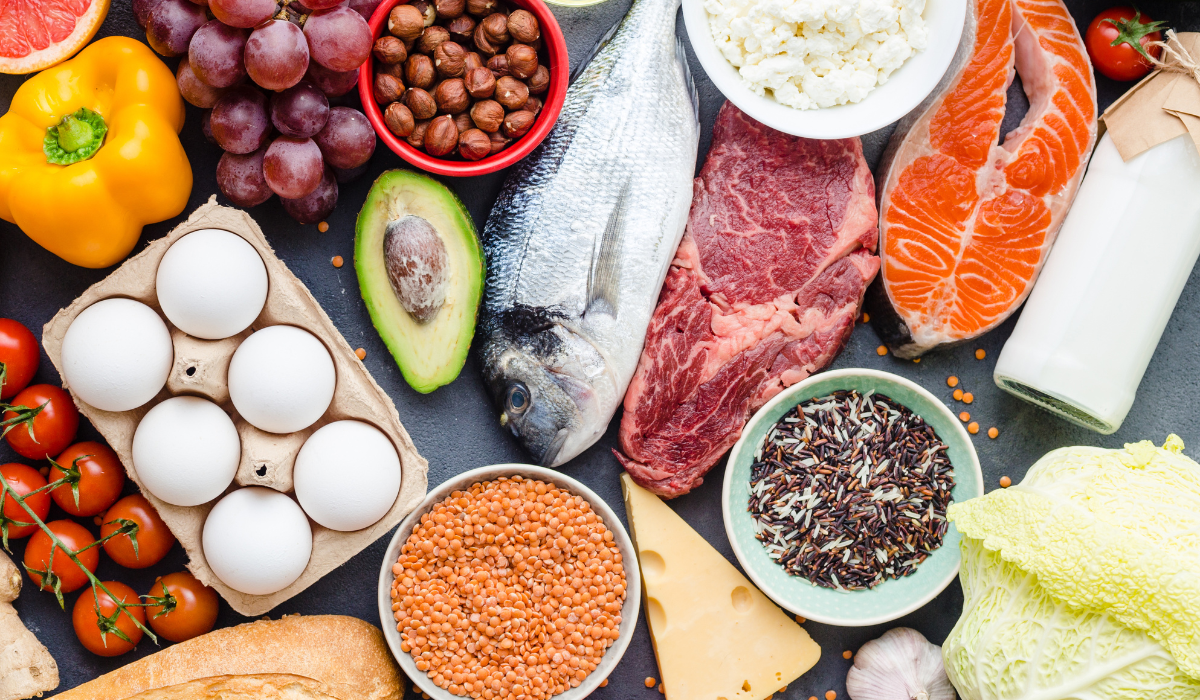
We often hear about the importance of drinking enough water and eating a balanced diet. While these two habits are powerful on their own, their real magic unfolds when they work together. Proper hydration and nutritious food are not just separate pillars of health; they are deeply interconnected, creating a foundation for overall well-being.
Understanding how hydration and healthy eating support each other can transform how you approach your daily routines. From boosting your energy levels and clearing your skin to improving digestion and managing your weight, this powerful partnership is key to living a healthier, more vibrant life. This guide will explore the symbiotic relationship between what you drink and what you eat, offering practical insights to help you harness their combined benefits.
The Vital Role of Hydration
Water is essential for life, making up about 60% of the human body. Every single cell, tissue, and organ needs water to function correctly. It plays a critical role in everything from regulating body temperature and lubricating joints to transporting nutrients and flushing out waste products. When you are properly hydrated, your body operates at its best, leading to higher energy levels and better overall health.
So, how much water do you need? A common recommendation is about eight 8-ounce glasses a day, which equals about 2 liters or half a gallon. However, individual needs can vary based on factors like age, activity level, climate, and health conditions. Even mild dehydration can have noticeable effects, causing fatigue, headaches, and difficulty concentrating. Chronic dehydration can lead to more serious issues, such as kidney problems and constipation. Listening to your body and drinking water consistently throughout the day is one of the simplest yet most effective things you can do for your health.
The Significance of Healthy Eating
Just as your body needs water, it also needs a steady supply of nutrients from food to thrive. A balanced diet rich in fruits, vegetables, lean proteins, and whole grains provides the essential vitamins and minerals your body requires for growth, repair, and energy. Healthy eating isn’t about restrictive dieting; it’s about nourishing your body with whole, unprocessed foods that support both your physical and mental well-being.
The benefits of a nutrient-dense diet are extensive. It can boost your immune system, strengthen your bones, lower your risk of chronic diseases like heart disease and diabetes, and improve your mood and cognitive function. By focusing on a variety of colorful foods, you ensure you’re getting a wide range of antioxidants and phytonutrients that protect your cells from damage and reduce inflammation.
Hydration and Digestion
Proper digestion starts with adequate hydration. Water is crucial for breaking down the food you eat and helping your body absorb its nutrients. It helps dissolve vitamins, minerals, and other nutrients, allowing them to be transported to your cells for energy and repair.
Furthermore, water works hand-in-hand with fiber to maintain a healthy digestive system. Fiber, found in plant-based foods like fruits, vegetables, and whole grains, adds bulk to your stool, but it needs water to move smoothly through your digestive tract. Without enough water, a high-fiber diet can actually lead to constipation. Drinking plenty of fluids ensures that fiber can do its job effectively, promoting regular bowel movements and preventing digestive discomfort.
Hydration and Energy Levels
Have you ever felt tired and sluggish in the middle of the afternoon? Dehydration could be the culprit. Even a small drop in your body’s water levels can cause fatigue and a significant decrease in cognitive function. When you’re dehydrated, your blood volume decreases, forcing your heart to work harder to pump oxygen and nutrients to your muscles and brain.
Staying hydrated is essential for maintaining physical performance and endurance. Water helps regulate your body temperature and lubricates your joints, allowing you to move more efficiently. Whether you’re an athlete or just trying to get through a busy day, drinking enough water is key to keeping your energy levels up and your mind sharp.
Healthy Eating for Sustained Energy
While hydration provides the fluid necessary for energy production, the food you eat provides the fuel. A diet based on balanced meals and snacks helps maintain stable blood sugar levels, preventing the energy spikes and crashes associated with sugary, processed foods.
For sustained energy, focus on complex carbohydrates, lean proteins, and healthy fats.
- Complex carbohydrates (found in oats, brown rice, and quinoa) provide a slow, steady release of energy.
- Proteins (from sources like chicken, fish, beans, and tofu) help build and repair tissues and keep you feeling full and satisfied.
- Healthy fats (found in avocados, nuts, and olive oil) are also a vital source of long-lasting energy.
Combining these macronutrients at each meal ensures your body has the fuel it needs to function optimally all day long.
Hydration and Skin Health
Your skin is your body’s largest organ, and it relies heavily on water to stay healthy. Proper hydration helps keep your skin supple, elastic, and youthful. When you’re dehydrated, your skin can become dry, tight, and more prone to wrinkles. Drinking enough water helps plump up your skin cells, giving you a smoother, more radiant complexion.
Healthy eating also plays a significant role in skin health. Foods rich in antioxidants, such as berries, leafy greens, and nuts, help protect your skin from damage caused by free radicals and environmental stressors. Vitamins like C and E are particularly beneficial for promoting collagen production and maintaining skin elasticity.
Healthy Eating for Weight Management
Achieving and maintaining a healthy weight is a common goal, and both diet and hydration are key components. Focusing on portion control and balanced meals made from whole foods can help you manage your calorie intake without feeling deprived. Whole foods are typically more nutrient-dense and filling than processed foods, which can help reduce overeating.
Drinking water can also support weight management efforts. Sometimes, our bodies mistake thirst for hunger, leading to unnecessary snacking. Drinking a glass of water before a meal can help you feel fuller, potentially leading you to eat less.
Hydration and Exercise
For anyone who is physically active, hydration is non-negotiable. It’s crucial to drink water before, during, and after exercise to replace the fluids lost through sweat. Dehydration can severely impair performance, leading to muscle cramps, dizziness, and fatigue.
During intense or prolonged workouts, you also lose electrolytes like sodium and potassium through sweat. Replenishing these electrolytes is important for maintaining fluid balance and muscle function. While sports drinks can be helpful, you can also get electrolytes from foods like bananas and coconut water.
Healthy Eating for Muscle Recovery
What you eat after a workout is just as important as the workout itself. Consuming a mix of protein and carbohydrates helps repair muscle tissue and replenish your energy stores. Protein provides the amino acids necessary for muscle repair and growth, while carbohydrates restock the glycogen that was depleted during exercise. Timing your post-workout meal or snack within an hour or two of finishing can optimize your recovery.
Your Questions Answered
How much water should I drink daily?
The general recommendation is about 8 glasses (64 ounces or 2 liters) of water a day. However, your individual needs may vary based on your activity level, the climate you live in, and your overall health. A good rule of thumb is to drink enough so that your urine is a pale yellow color.
What are some easy ways to incorporate more water into my daily routine?
Carry a reusable water bottle with you everywhere you go. Set reminders on your phone or computer to take a sip. Try drinking a full glass of water before each meal. If you find plain water boring, add natural flavor with slices of fruit like lemon or cucumber, or herbs like mint.
What are some healthy snack options for sustained energy?
Great options for sustained energy include snacks that combine protein, healthy fats, and complex carbs. Think a handful of nuts or seeds, Greek yogurt with berries, an apple with peanut butter, raw vegetables with hummus, or whole-grain crackers with avocado.
A Foundation for Optimal Health
The connection between hydration and healthy eating is undeniable. They are two sides of the same coin, each enhancing the other’s effects to support your body. By making a conscious effort to drink enough water and nourish your body with wholesome foods, you are building a powerful foundation for a healthier, more energetic, and more fulfilling life.
