
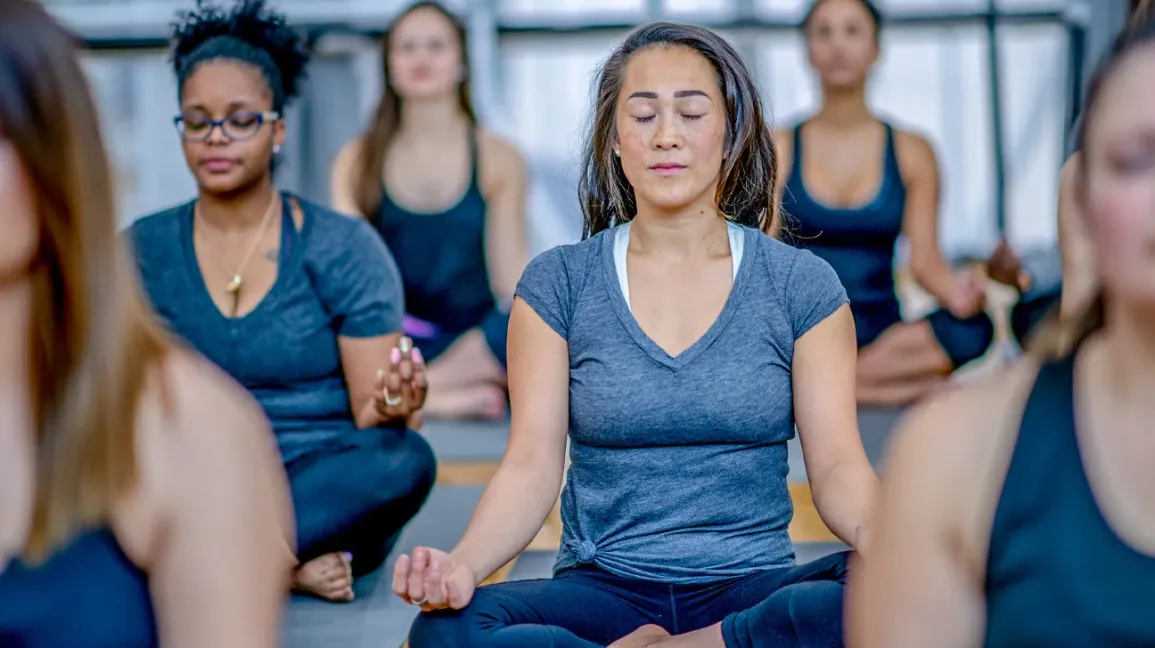
In today’s fast-paced world, millions of people face stress daily. Life’s many challenges, from work pressures to financial pressures and personal responsibilities, can easily lead to stress. While stress is a normal response, chronic stress can negatively impact both physical and mental health. Finding simple and effective ways to manage anxiety is more important than ever.
Conscious breathing is one of the most important skills people often forget. While some techniques can be difficult to learn and require extensive practice, mindful breathing is simple and easy to practice anywhere. By focusing on your breath, you can calm your mind, manage your stress levels, and restore balance to your body. This article explores how mindful breathing works, its benefits, and how you can incorporate it into your daily life.
There is a connection between breathing and stress
While breathing is normal, most people don’t pay much attention to it. When people are stressed, their breathing changes: it becomes faster, weaker, and less efficient. This activates the body’s fight-or-flight response, releasing chemicals like adrenaline and cortisol to prepare the body for action. This constant activity can be helpful in emergency situations, but it can also lead to stress, fatigue, and health problems.
Conscious breathing can break this cycle. When you slow down and breathe deeply, your nervous system learns that it’s safe to relax. This activates the body’s rest-and-digest mode, reducing stress responses and leaving you feeling calmer and clearer.
How Conscious Breathing Changes Your Mind
Being mindful of your breathing has a direct impact on your mental health. By focusing on each breath, you can free your mind of questions and distractions. This creates clarity and space for understanding.
Conscious breathing reduces anxiety, improves focus, and makes people more emotionally resilient. It trains the brain to remain patient in the face of difficulties, instead of panicking. Over time, this practice will make it easier to stay calm under pressure.
How Breathing Helps Regulate Stress Hormones
Stress isn’t just something you think about; it’s also a chemical reaction in your body. Cortisol, also known as the “stress hormone,” is released when the body is stressed. Chronically high cortisol levels can lead to sleep problems, digestive issues, and even compromise your immune system.
Conscious breathing is an effective way to regulate these hormone levels. By slowing your breathing and exhaling more air, your body naturally reduces cortisol production. This change brings the body into better balance, allowing energy to be used for physical recovery, mental focus, and mental stability.
Some Simple Mindful Breathing Techniques You Can Use Daily
The beauty of mindful breathing is that it’s easy. Meditation doesn’t require any special equipment or a quiet place. Just a few minutes of focused breathing can make a huge difference in how you feel.
People often use diaphragmatic breathing, which means they focus on inhaling deeply into their abdomen rather than shallowly into their chest. The “4-7-8” method is a different approach. It involves taking four deep breaths, holding your breath for seven seconds, and then exhaling for eight seconds. These techniques not only calm the body and mind but also aid concentration.
Paying attention to your breathing during daily activities, such as before an important meeting, on your commute, or before bed, can help you feel calmer.
Mindful Breathing and Health
Mindful breathing can help you manage stress and nourish your body in surprising ways. Regular, mindful breathing can lower blood pressure, promote digestion, and improve sleep. Deep breathing brings more oxygen to the body, nourishes muscles and cells, and makes you feel more energized.
People who suffer from tension headaches, muscle stiffness, or fatigue due to anxiety can naturally feel better by practicing mindful breathing. It can help you relax without medications or other external substances, making it a safe and sustainable way to improve your health.
Combining mindful breathing with other exercises
Mindful breathing is effective on its own, but it’s even more effective when combined with other healthy habits. A comprehensive approach to stress management combines focused breathing with yoga, meditation, or light stretching. Together, these can…
It can provide a short-lived sense of calm, but regular practice can extend the benefits. If you dedicate just five to ten minutes a day to it, mindful breathing can become a habit.
Some people find that practicing in the morning helps improve their mood for the day, while others find it relieves stress in the evening. Choosing a time that works for you is crucial. This way, it feels like a part of your life, not an extra.
Frequently Asked Questions
How quickly does mindful breathing help you reduce stress?
Mindful breathing can help many people relax within just a few minutes. Slower benefits require more effort.
Can I practice mindful breathing at work?
Yes. You can breathe calmly while working, during breaks, or even in line. No special preparation is required.
Is mindful breathing the same as meditation?
Slow, mindful breathing is often part of meditation, but it can also be practiced on its own. It focuses specifically on breathing awareness.
How long should I practice each day?
Just five minutes of focused breathing a day can yield significant results. Longer sessions can help you reach a deeper level of relaxation, but shorter, regular practices can be just as effective.
Can focused breathing help people with insomnia?
Yes. Focusing on your breathing before bed helps your body calm the nervous system, lower stress hormones, and prepare you for a good night’s sleep.
In short
Life will always be stressful, but how you manage it is crucial. Focused breathing is a simple, natural, and highly effective way to regain control of your stress levels. By focusing on each breath, you release your body and mind from persistent stress.
Over time, this practice will lead to stronger emotions, better physical health, and a more balanced daily life. Meditation can help you live a calmer, more focused, and less stressful life. It only takes a few minutes a day.
