
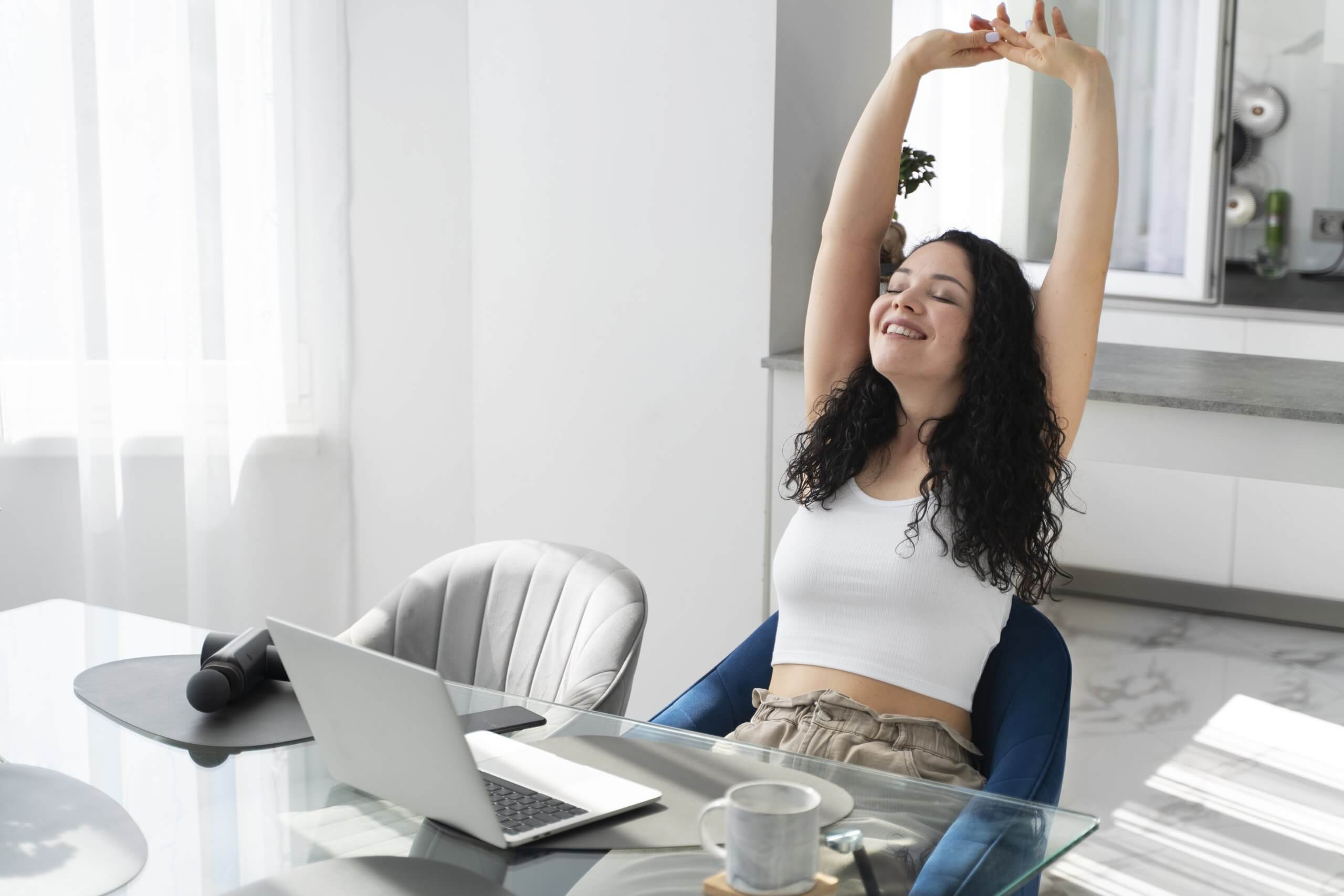
In today’s digital world, millions of people spend a significant portion of their day sitting at a desk, staring at a screen, or commuting between home and the office. Many people are forced to work in an office, but this poses health risks you may not be aware of. Prolonged sitting can lead to stiffness, weight gain, poor posture, and a feeling of low energy. A sedentary lifestyle can even increase your risk of cardiovascular disease, diabetes, and long-term back pain.
The good news is that you don’t have to spend hours at the gym to combat these effects. Even if your office job is demanding, small, impactful changes every day can help you stay healthy, active, and energized. This article explores some simple ways to stay active at work and during daily tasks that don’t require much movement.
Why a Sedentary Lifestyle Is Dangerous
While the human body needs movement, many modern jobs make it difficult. Sitting for long periods can slow your metabolism, reduce blood flow, and put strain on the spine. If you spend most of your day sitting, even exercising a few times a week can lead to health problems.
These aren’t just physical risks. A sedentary lifestyle can also harm your mental health, leaving you tired, stressed, and unable to concentrate. Understanding these risks is the first step toward making small but effective changes that can improve your overall health.
Movement at Work
One of the most effective ways to combat excessive sitting is to consciously incorporate movement into your work habits. For example, getting up and stretching every hour, taking the stairs instead of the elevator, or walking while talking on the phone can lead to significant improvements in the long run. These short breaks keep your muscles active and improve circulation.
Simple stretches like shoulder rolls, leg lifts, or deep breathing exercises while sitting can help prevent stiffness, even if you can’t get up from your desk regularly. All these small changes, when added together, can yield significant benefits.
How Your Posture Helps You Stay Active
When you work long hours, your posture is crucial for your sense of activity and overall well-being. Sitting hunched or hunched over puts unnecessary strain on your spine, shoulders, and neck. A straight back, relaxed shoulders, and keeping your feet flat on the floor is good posture. This can also help you feel better and more energized.
An ergonomic workstation can help you stand up straighter. Placing your computer at eye level, adjusting your chair height, or using a firm cushion can help you maintain a healthy sitting position. Good posture, combined with regular exercise, can make you feel more comfortable and help you stay focused all day.
Why Short, Active Breaks Are Good for You
When it comes to breaking bad habits like sitting for long periods, short breaks are more effective than long ones. Even standing up for a few minutes after work can improve circulation, relieve eye strain, and help you refocus.
These breaks don’t have to be intimidating. Taking a walk around the office, stretching your arms, or doing some squats can make you feel better both physically and mentally. Over time, incorporating these small movements into your daily routine will help you stay active without disrupting your work.
Using Technology to Stay Active
Technology can help you stay active at work, but it can also make it harder. Screens can keep us inactive, but fitness apps, wearables, and reminders can help us get up and move more often. Setting an alarm can help you remember to get up, stretch, or take a walk.
Wearables that monitor your heart rate or count your steps can help you move more often. During breaks, you can easily add virtual workouts or short guided stretching videos to stay fit without leaving your desk.
Finding a Good Balance Between Work and Exercise
Even if you’re not very active during your workday, it’s still important to make time for structured physical activity. Regular activity like walking, cycling, yoga, or strength training after work or before the start of the workday can provide long-term benefits that short breaks don’t.
Weight is important. You don’t have to exercise intensely every day, but at least 20 to 30 minutes of light exercise most days of the week is good for your overall health, strength, and mental clarity. This balance helps compensate for prolonged sitting.
Whole carbohydrates help maintain your energy throughout the day
Hydration is just as important. Drinking enough water keeps you alert and encourages you to move more, as regular hydration makes it easier to get up and move. Small lifestyle changes like these can help you find a better balance between work and physical activity.
Develop a routine that works for you
The best way to stay active while working at a desk is to develop a habit that you can easily incorporate into your lifestyle. This could include taking notes on stretching exercises, taking short walks during your lunch break, or exercising regularly outside of work hours.
Starting small and gradually building up is important. While it can be difficult to overhaul your entire daily routine all at once, simple, regular changes to your routine can help you stay active over time. When you do these things often, they become a normal part of your life.
Frequently Asked Questions
How much energy do I need to stay active when I work at a desk?
Health experts recommend at least 150 minutes of regular exercise per week. But even short breaks during the workday can be very beneficial for your health.
Does stretching at my desk really help?
Yes. Stretching keeps you flexible, reduces stiffness, and improves circulation. Even short stretches can relieve pain and help you focus.
What type of exercise is best for someone who is inactive at work?
People who work at a desk should try low-impact exercises like yoga, walking, and cycling. The key is to move, not just one type of exercise.
How do I make sure I take regular breaks?
Using exercise apps, taking notes on your phone, or combining breaks with other things you need to do (like checking email) makes it easier to maintain a regular workout routine.
Is standing at my desk better than sitting all day?
While standing desks can be helpful, standing alone isn’t enough. The greatest health benefits come from standing, regular exercise, and stretching.
Summary
Sitting at a desk all day doesn’t have to be unhealthy or leave you feeling constantly tired. Even if you sit for long periods, you can stay active and energetic by making small changes, such as moving more, practicing good posture, and incorporating exercise and a healthy diet into your routine.
Doing the same things consistently is essential. By doing small things every day, you can develop good habits that are good for your body and mind. With these practical tips, you can take control of your health and make even the most sedentary lifestyle vibrant and energizing.
