
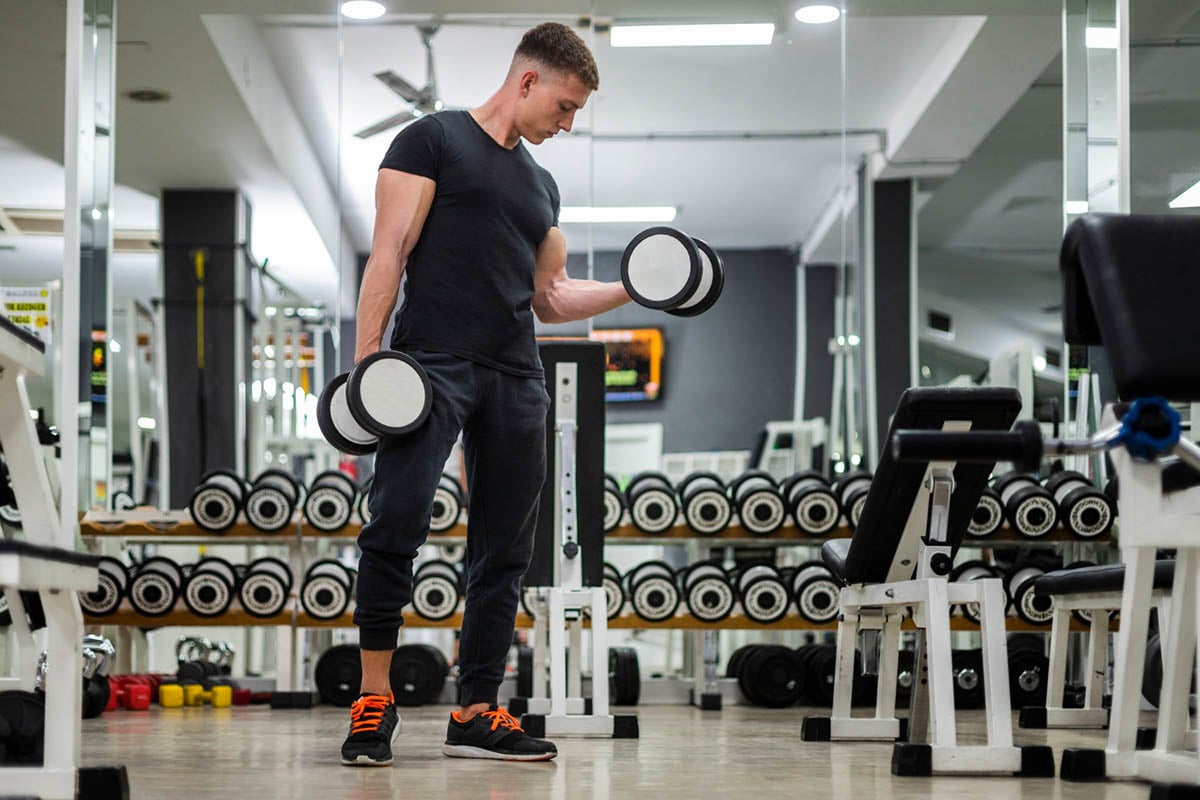
In today’s fast-paced world, we often focus on specialized workouts designed for strength, endurance, or aesthetic purposes. However, functional fitness is a critical element in improving overall health and enhancing daily life. Exercises in functional fitness train your body to perform real-life activities more efficiently, strengthening muscles used in routine movements. Whether it’s carrying groceries, lifting a child, or climbing stairs, functional fitness makes these everyday tasks easier and safer.
This article explores why functional fitness is essential, its benefits, and how incorporating functional training can enhance your quality of life.
What is functional fitness?
Functional fitness refers to exercises that mimic the natural movements your body performs daily. These exercises engage multiple muscle groups, improving strength, flexibility, balance, and coordination, all of which are necessary for everyday activities. Unlike traditional gym workouts that may isolate specific muscles, functional fitness focuses on compound movements that involve a combination of muscle groups working together.
For example, squatting and lunging are functional exercises that improve your ability to stand up from a seated position or lift objects from the floor. By using real-world movements in your workouts, functional fitness prepares your body to handle the physical demands of daily life.
The Benefits of Functional Fitness
1. Improved Mobility and Flexibility
One of the significant benefits of functional fitness is improved mobility. As we age, our joints and muscles can become stiff and less mobile. Functional exercises like stretching, lunges, and rotations target key muscle groups and promote better flexibility. Increased mobility not only helps in performing daily activities but also reduces the risk of injury, especially for those with sedentary lifestyles.
2. Enhanced Balance and Coordination
Functional fitness exercises enhance your body’s ability to maintain balance and coordination. Activities like lunges, step-ups, and kettlebell swings require your body to engage your core, stabilize your movements, and keep your posture in check. This, in turn, translates into better balance when you’re walking, climbing stairs, or carrying heavy loads. Improved coordination can also prevent falls, which are a significant risk as we age.
3. Strengthening Core Muscles
Your core muscles, including your abdominals, back, and pelvis, are engaged in nearly every movement you make. From sitting to standing to bending and twisting, functional fitness strengthens these muscles through movements like planks, deadlifts, and squats. A strong core supports better posture and provides stability to the spine, helping to reduce back pain and improve overall physical function.
4. Increased Endurance and Stamina
Functional fitness involves exercises that get your heart rate up, which helps improve cardiovascular endurance. Whether you’re lifting groceries, walking up a hill, or playing with your kids, building endurance through functional movements will make these tasks feel less exhausting. Increased stamina improves energy levels and allows you to enjoy a more active and fulfilling lifestyle.
5. Prevention of Injuries
Functional training can reduce the risk of injury by targeting muscles that support your joints. Movements like squats and lunges help strengthen the knees, hips, and ankles, which are commonly injured during daily activities. By training your body in the context of natural movements, functional fitness prepares your muscles and joints to handle physical stress with better form, reducing the likelihood of sprains, strains, and other injuries.
6. Better Posture and Alignment
Functional exercises promote a better posture by strengthening the muscles that support your spine. Poor posture, often resulting from sitting for long periods, can lead to chronic back and neck pain. Functional fitness exercises like rowing, shoulder presses, and squats can improve alignment, leading to fewer aches and pains in the long term.
How to Incorporate Functional Fitness into Your Routine
Getting started with functional fitness doesn’t require a complicated workout plan or expensive equipment. Here are some simple exercises you can incorporate into your daily routine:
1. Bodyweight Squats
Squats are a great functional movement that strengthens the lower body, including the thighs, hips, and core. To perform a squat:
- Stand with your feet shoulder-width apart.
- Bend your knees and lower your body as if you were sitting back into a chair.
- Keep your chest up, and make sure your knees don’t extend beyond your toes.
- Rise back up to the starting position.
2. Lunges
Lunges engage your lower body and core while improving balance. To perform a lunge:
- Step one foot forward, bending both knees until the back knee is nearly touching the ground.
- Push through the front heel to return to the starting position.
- Alternate legs for each repetition.
3. Planks
Planks are excellent for strengthening the core and improving stability. To perform a plank:
- Lie face down and lift your body off the ground, supporting yourself on your toes and forearms.
- Keep your body in a straight line, engaging your core to prevent your hips from sagging.
- Hold for as long as you can, maintaining proper form.
4. Push-Ups
Push-ups work the chest, arms, and core. To perform a push-up:
- Start in a high plank position with your hands under your shoulders.
- Lower your body toward the ground, keeping your elbows close to your sides.
- Push back up to the starting position.
5. Kettlebell Swings
Kettlebell swings are dynamic exercises that work the hips, glutes, hamstrings, and core. To perform a kettlebell swing:
- Stand with your feet hip-width apart, holding a kettlebell with both hands.
- Swing the kettlebell between your legs, then thrust your hips forward to propel it to chest height.
- Control the descent and repeat.
Functional Fitness vs. Traditional Gym Workouts: What’s the Difference?
While traditional gym workouts often focus on isolating specific muscles, functional fitness involves compound movements that engage multiple muscle groups. This approach mimics the motions used in real-life activities, offering a more holistic way to improve overall fitness. Traditional gym workouts can be useful for building muscle mass or strength, but functional fitness enhances your ability to perform daily tasks more efficiently, making it a more practical form of exercise for most people.
FAQs About Functional Fitness
Q1: How often should I incorporate functional fitness exercises into my routine?
A1: For most people, 2-3 days a week of functional fitness exercises is ideal. You can gradually increase the intensity and frequency as your fitness level improves.
Q2: Can functional fitness help with weight loss?
A2: Yes, functional fitness exercises can help with weight loss by improving strength and endurance, increasing calorie burn, and enhancing overall metabolism. When combined with a balanced diet, it can be an effective way to shed pounds.
Q3: Do I need equipment for functional fitness?
A3: No, functional fitness can be done with just your body weight. However, adding simple equipment like kettlebells, dumbbells, or resistance bands can enhance the exercises and provide more variety.
Q4: Is functional fitness suitable for seniors?
A4: Yes, functional fitness is particularly beneficial for seniors as it helps maintain balance, coordination, and mobility. It can also reduce the risk of falls and improve overall independence in daily tasks.
Q5: What is the best functional fitness exercise for improving posture?
A5: Exercises like planks, deadlifts, and rows are excellent for improving posture by strengthening the muscles that support the spine. Regularly performing these exercises can help alleviate back pain and enhance overall alignment.
Conclusion
Incorporating functional fitness into your routine is a powerful way to improve your overall health and make everyday activities easier. By training your body to perform natural movements efficiently, you not only enhance strength, mobility, and flexibility but also reduce the risk of injury and improve your quality of life. Whether you are young or old, functional fitness can help you move better, feel stronger, and enjoy life to the fullest. Start small, stay consistent, and soon you’ll see the tangible benefits of functional fitness in your daily movements.
