
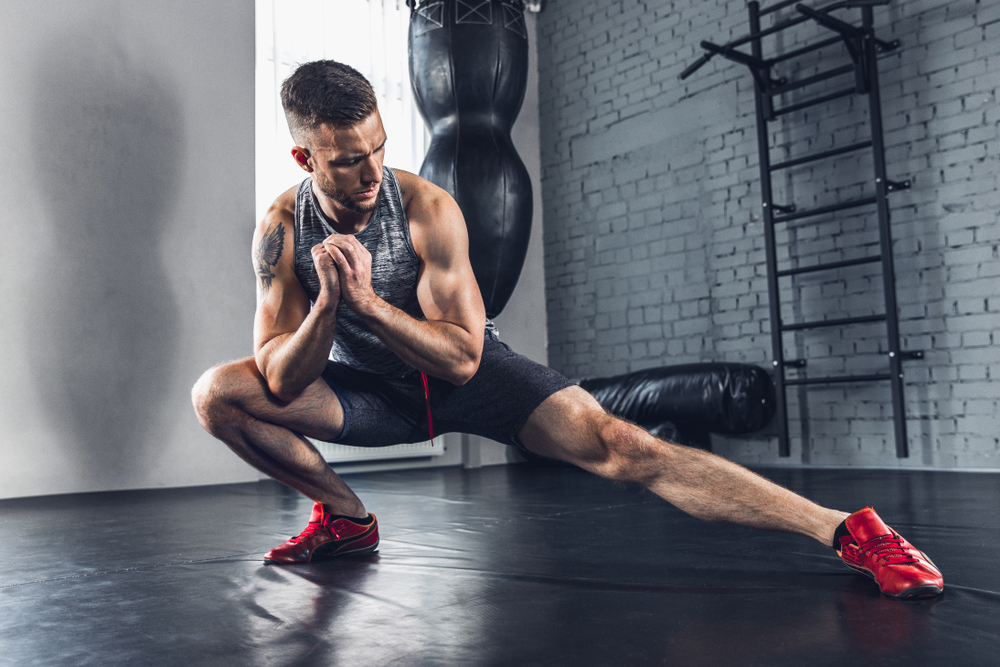
People who work out don’t always stretch, but it’s an important part of staying healthy, avoiding accidents, and becoming more flexible. Stretching is important for everyone, whether you are an athlete, an exercise fanatic, or just someone who wants to stay busy and flexible. It makes your range of motion better, gets your body ready to move, and helps your muscles heal after working out. Stretching should be a normal part of your daily life to stay healthy and lower your risk of getting hurt.
Why it’s good for your body to stretch
Joints and muscles are always working to help you move, stand up straight, and keep your balance. If you don’t take good care of them, they can get tight, which can make it hard to move and raise the risk of pulls or accidents. Muscles stay flexible and strong because stretching makes them longer and increases blood flow. Being flexible is important for everyone, not just players, who wants to move around easily in their daily lives, like when they bend down to tie their shoes, lift heavy groceries, or play with their kids.
How stretching keeps you from getting hurt
Muscles that are tight, stiff, or not ready for quick action are more likely to get hurt. By waking up muscles and improving blood flow, stretching gets the body ready for exercise. Strains, sprains, and accidents from overuse are less likely to happen when this mixture is used. Dynamic stretches, like leg swings or arm circles, work muscles better than static stretches because they move the body like you would when you work out. Static stretches, like keeping a leg stretch, help the body cool down and keep it from getting stiff after exercise.
The Link Between Being Flexible and Doing Well
Being flexible isn’t just about being able to bend or reach; it’s also about making moving more efficient and effective. Range of motion is increased by stretching, which lets muscles and joints move more easily. For players, this means better ability, faster skill, and a lower chance of getting hurt while training or competing. For people who aren’t athletes, getting more flexible makes daily tasks easier and eases the pain that comes from bad habits like sitting for long periods of time.
Different kinds of stretching and how they can help
There are different ways to stretch, and each has its own benefits:
- Dynamic stretching involves moving your body in controlled ways to get it ready for exercise. Best before games or working out.
- Holding a stretch for 15 to 30 seconds is called static stretching. Great for relaxing muscles and making you more flexible after working out.
- Proprioceptive Neuromuscular Facilitation (PNF) is a more advanced way to make muscles more flexible by tightening and releasing them.
- Ballistic stretching involves bouncing back and forth. Today, this method isn’t used as often because it can make you more likely to get hurt if you’re not careful.
Using various stretching methods will help you avoid injuries and become more flexible at the same time.
Stretching and better posture
People today spend a lot of time sitting at desks, moving, or using digital gadgets. Muscle changes and bad posture can be caused by these habits, which can lead to pain and long-term problems like back pain. By making weak muscles stronger and stretching muscles that are too short, these imbalances are fixed. For instance, chest stretches can help stop you from slouching, and hip flexor stretches can help loosen up muscles that have been tight from sitting for a long time.
How Stretching Can Help You Get Better
It’s also important to stretch to help muscles heal after working out. When you work out, your muscles get microtears, which can make them sore. Stretching makes the blood move better to the muscles, which brings oxygen and nutrients that help them heal. Stretching after working out also helps get rid of metabolic waste products like lactic acid, which makes you less stiff and sore. Adding stretching to your cool-down routine will help you heal faster and get ready for your next workout better.
How often and how much should you stretch?
Experts say that you should stretch your major muscle groups at least twice or three times a week, but stretching every day is best. Hold each stretch for 15 to 30 seconds and do it two to four times. For beginners, shorter workouts are fine, but for more experienced users, longer or deeper stretches may be better. Consistency is key—regular stretching leads to steady increases in flexibility and a lower chance of injury.
Tips for Stretching That Is Safe and Effective
Stretching should be done right to get the most out of it and avoid getting hurt. Before stretching cold muscles, you should always do something light to warm up, like walking or running. During idle stretches, don’t bounce, as this can put stress on the muscles. Instead of pushing yourself to move, focus on taking deep breaths and settling into each stretch. It shouldn’t hurt to stretch; it should feel like soft strain. As your flexibility grows, you can slowly make stretches deeper over time.
The Long-Term Advantages of Stretching
Stretching has more benefits than just making you more flexible and preventing injuries. Stretching regularly makes you more mobile, eases the stiffness that comes with getting older, and raises your quality of life. It helps people stay independent by letting them move around easily and do daily chores without pain. Furthermore, stretching helps you rest, lowers your stress, and raises your blood flow, making it a good habit for your physical and mental health.
In conclusion
Stretching might not seem like a big deal to add to your workout routine, but it has a big effect. It keeps you from getting hurt by getting your muscles ready to move, makes you more flexible for better performance, and helps your body heal after exercise. One easy but effective way to benefit from this practice is to do active stretches before activity, static stretches after activity, and posture-correcting stretches all day long. Making stretching a regular habit is important for long-term health, movement, and general happiness.
FAQs
1. When should you stretch?
Before you do something, dynamic stretches work best, and after you work out, static stretches work best.
2. Is stretching enough to keep you from getting hurt?
Stretching lowers risk, but it works best when done with power training, good technique, and the right way to warm up.
3. How long should I hold a stretch?
Hold each steady stretch for 15 to 30 seconds and do it two to four times for each muscle group.
4. Is stretching beneficial for people who don’t work out often?
Yes. Stretching improves your balance, loosens up muscles, and makes it easier to move around.
5. Can exercise help you deal with stress?
Of course. Stretching is good for your mental health too, because it eases muscle tension, makes breathing easier, and lowers stress.
